
Ditch Your Lawn: 15 Natural Landscape Ideas to Replace Grass in Winnipeg
Ditch Your Lawn: 15 Natural Landscape Ideas to Replace Grass in Winnipeg
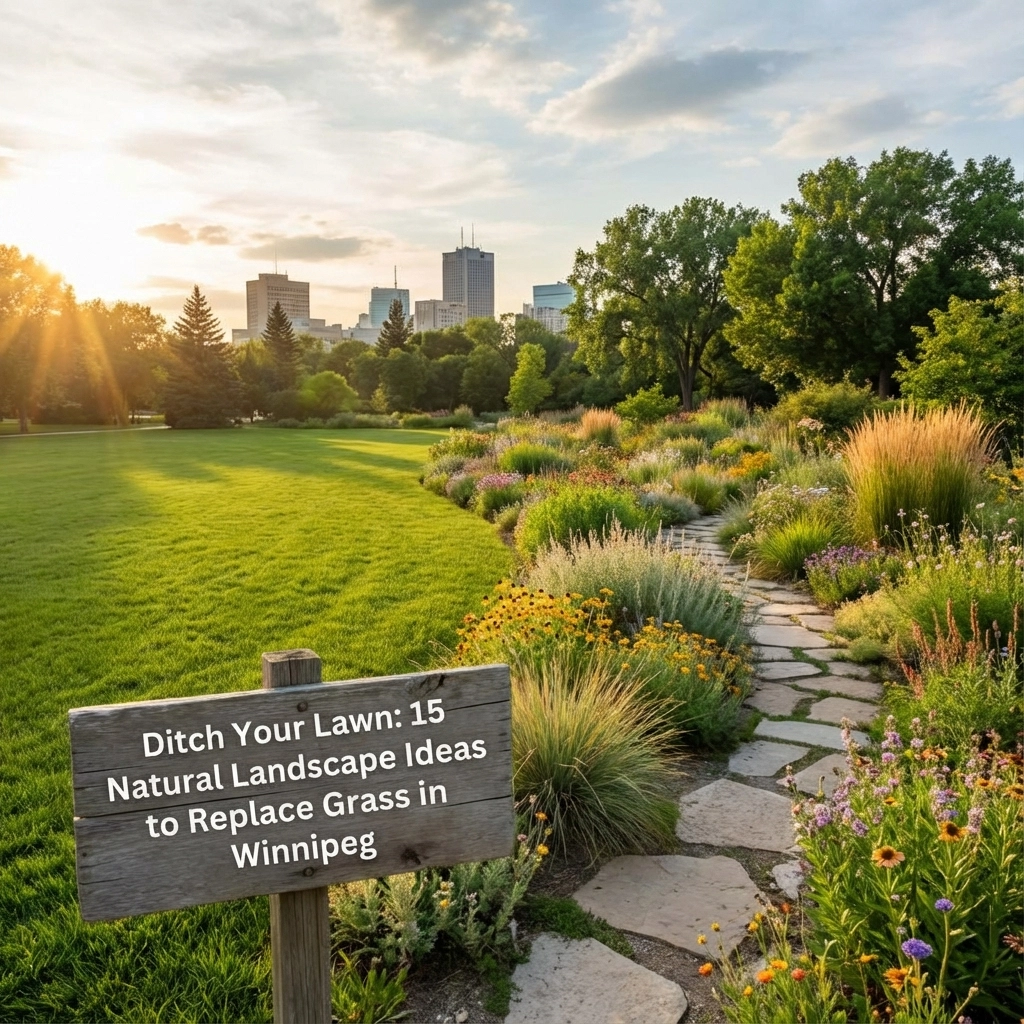
Tired of spending your weekends mowing, watering, and fertilizing a traditional grass lawn? You're not alone! More Winnipeg homeowners are discovering that sustainable landscaping Winnipeg doesn't have to mean endless lawn maintenance. Whether you're looking to reduce water usage, support local wildlife, or simply create a more interesting yard, these lawn alternatives Winnipeg options will transform your outdoor space while working beautifully with our prairie climate.
Why Ditch Traditional Grass?
Before we dive into the alternatives, let's talk about why so many homeowners are making the switch. Traditional lawns require constant watering, regular fertilizing, weekly mowing, and often struggle with our harsh winters and dry summers. Eco-friendly yard ideas not only reduce your maintenance time and costs but also support local ecosystems and help restore Manitoba's native prairie habitats.
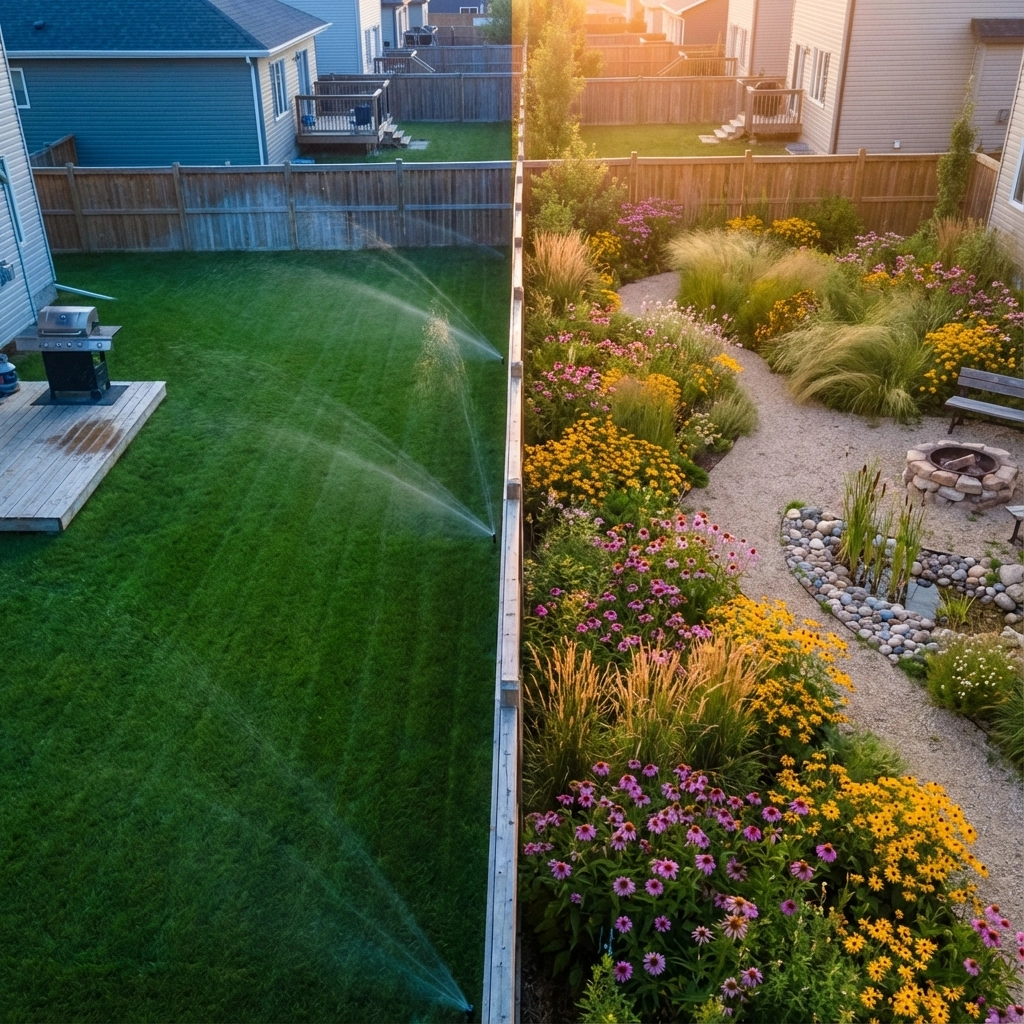
Ground Cover Alternatives That Actually Work
1. Creeping Red Fescue
This hardy ground cover creates a soft, green carpet that requires minimal water once established. Unlike traditional bluegrass, creeping red fescue thrives in partial shade and compacted soils where regular grass struggles. It's self-fertilizing and needs mowing only a few times per season.
2. White Clover and Microclover
Remember when clover was actually part of lawn seed mixes? These nitrogen-fixing plants stay green longer than grass, require no fertilizer, and provide food for pollinators. Microclover varieties are particularly popular because they blend seamlessly with existing grass while gradually taking over.
3. Sedge Varieties
Native plants Manitoba include several sedge species that create lush, grass-like coverage. These plants handle both wet and dry conditions, making them perfect for areas where traditional grass fails. They're also deer-resistant and provide habitat for beneficial insects.
Water-Smart Landscaping Solutions
4. Rain Gardens
Kill two birds with one stone by installing a rain garden that captures runoff from your roof and melting snow. These functional landscapes prevent basement flooding while creating beautiful focal points. Plant them with native species like butterfly weed and hostas that actually thrive in variable moisture conditions.
5. Native Prairie Meadows
Transform large lawn areas into colorful native meadows that attract butterflies and birds. Once established, these require only occasional mowing and provide year-round interest. Just check local bylaws first – some areas have height restrictions to prevent seed spreading.

Stunning Native Grasses
6. Big Bluestem
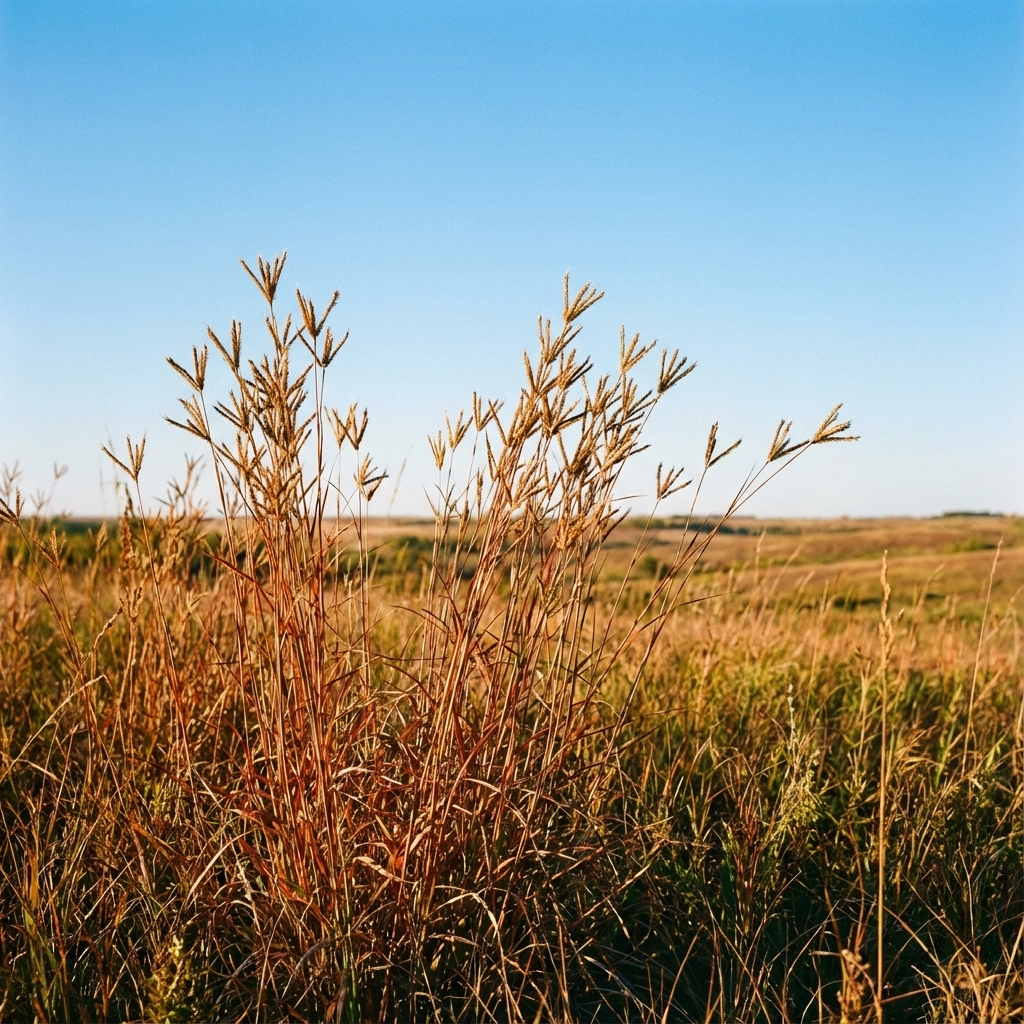
This show-stopping prairie grass grows 4-6 feet tall with distinctive seed heads that look like turkey feet. In fall, it turns a gorgeous rusty color that adds winter interest to your landscape. It thrives in almost any soil type and requires virtually no maintenance.
7. Canada Wild Rye
A shorter native grass that adapts beautifully to prairie conditions. It provides excellent erosion control on slopes and creates natural-looking borders between garden areas and remaining lawn spaces.
Low-Maintenance Shrubs and Perennials
8. Shrubby Cinquefoil
This compact shrub blooms from June through September, providing months of yellow flowers that attract pollinators. It's incredibly drought-tolerant once established and helps prevent soil erosion on slopes.
9. Silverberry (Wolf Willow)
Create natural privacy screens with this fragrant native shrub. It spreads to form wildlife-friendly thickets and thrives in full sun with dry to medium soil. The silvery leaves add beautiful texture contrast to green landscapes.
10. Manitoba Maple
For larger spaces, consider Manitoba's largest native maple. It provides excellent shade, displays attractive fall colors, and adapts to various soil conditions. Perfect for creating natural gathering spaces in your yard.
Shade-Loving Alternatives
11. Woodland Native Gardens
For shaded areas under trees where grass never grew well anyway, plant native plants Manitoba loves: wild ginger, Canada anemone, golden Alexander, early blue violet, and blue-eyed grass. These create lush groundcover that actually prefers shade.
Structural Alternatives
12. Expanded Flower Beds
Rather than replacing your entire lawn at once, gradually expand existing flower beds. This approach lets you reduce lawn maintenance while maintaining some green space flexibility. Focus on native perennials that come back year after year.
13. Decorative Stone and Gravel Areas
Create low-maintenance zones with decorative stone pathways, gravel gardens, or rock features. These work especially well in areas with poor drainage or heavy foot traffic. Add drought-tolerant plants between stones for softness.
14. Patios and Decking
Replace high-maintenance lawn areas with functional outdoor living spaces. A well-designed patio or deck eliminates mowing while providing space for entertaining and relaxation. Consider permeable materials that allow water infiltration.

Mixed Wildflower Gardens
15. Native Wildflower Combinations
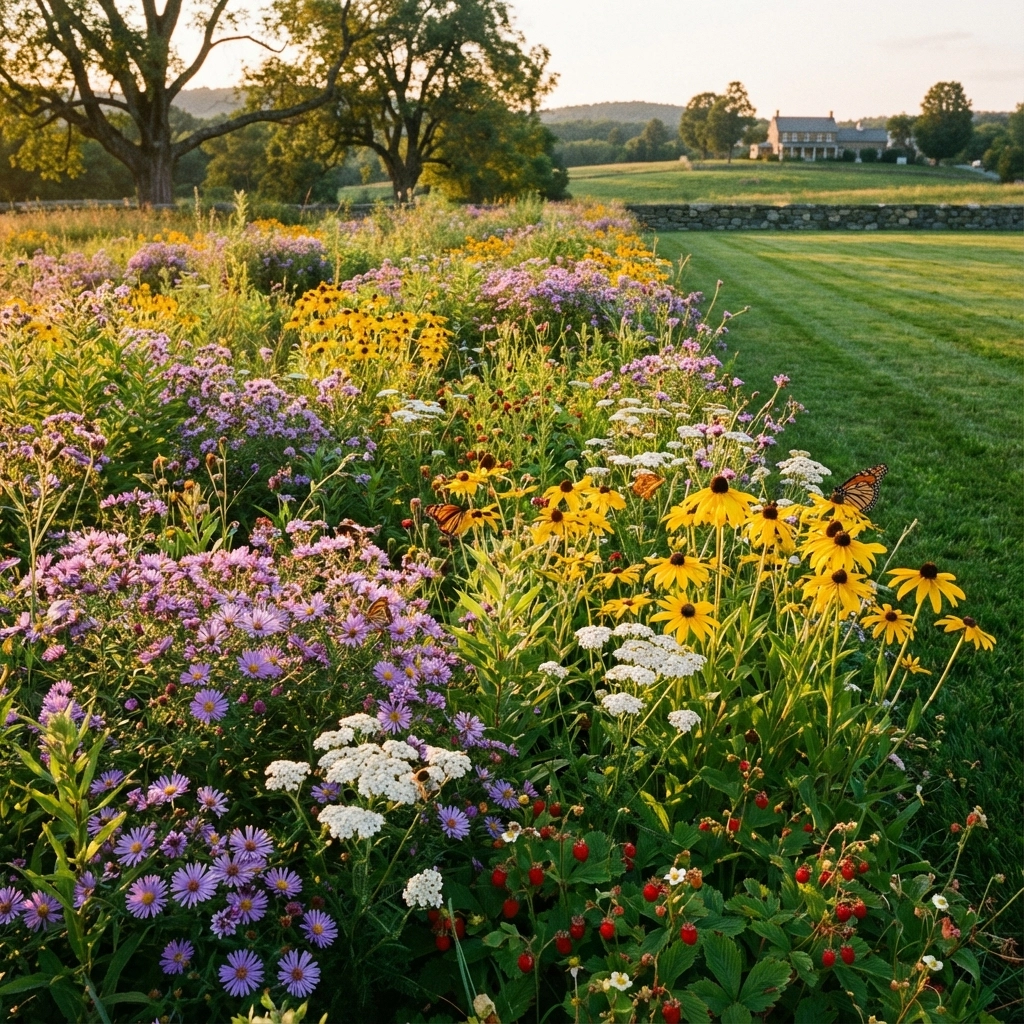
Create stunning displays with native wildflower mixes featuring asters, coneflowers, wild strawberry, and yarrow. These combinations provide continuous blooms throughout the growing season while requiring minimal water and no fertilizer once established.
Important note: Avoid common milkweed, which Manitoba lists as a noxious weed. Choose swamp milkweed instead for monarch butterfly habitat.
Planning Your Lawn Replacement
Start small and expand gradually. You don't need to replace your entire lawn at once! Begin with problem areas where grass struggles – those shady spots, slopes prone to erosion, or areas that always need extra watering.
Check Winnipeg's guidelines for "Non-standard Boulevard Treatment" if you're planning changes near the street. Generally, plants between your garden and property line should stay under one meter in height.
Getting Started
The best time to plant most lawn alternatives Winnipeg homeowners choose is late spring through early fall. Native plants establish better when they have time to develop root systems before winter.
Consider your specific conditions: How much sun does the area get? Is the soil wet or dry? Do you want something that stays short, or are you okay with taller plants? Matching the right alternative to your specific site conditions ensures success.
Ready to Transform Your Yard?
Making the switch to sustainable landscaping Winnipeg homeowners love doesn't have to be overwhelming. Whether you choose one dramatic change like a native meadow or gradually expand flower beds to reduce mowing, every step toward eco-friendly yard ideas benefits both your schedule and the environment.
At The Pavingstone Pros, we understand that great landscapes combine beautiful hardscaping with smart plant choices. While you're planning your lawn alternatives, consider how paving stone pathways and patios can complement your new native plantings.
Ready to start your lawn transformation? Contact us to discuss how hardscaping elements can work with your new eco-friendly landscape design!